
Home Buyer Tips and Tricks “Bank Statements”
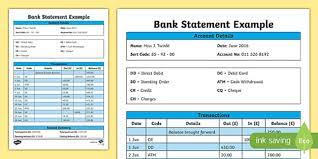
Bank Statements do’s and don’ts .
Bank statements are the number one pain point if you are buying a house. Your loan officer is going to ask for them over and over again and if you don’t provide the right stuff up front its going to be frustrating. Lets take a minute to understand exactly what an underwriter is looking for so we can make this as easy as possible.
Transaction Summery.
The minimum requirement for closing a loan is that you provide 60 days worth or 2 month’s bank statements dated with in 30 days of the closing date. This might mean that you will have to provide a transaction summary as well as 2 month’s bank statements. If you do, the first thing to know is that it has to have at least the last four digits of your account, your name and info, and your banks name as well as a URL from your bank. This is how all lenders verify your funds if your not using an electronic method. This is a standard practice and all banks provide this. Make sure there are no gaps. For example if your last statement date is on the first make sure your transaction summary includes that date.
Large Deposits.
What’s on these statements can be equally important and sometimes frustrating. Of course the first thing you need is enough money to cover the closing. After that your lender will be looking for things like large deposits, cash deposits and instances where your account has NSF charges (non sufficient funds).
Large deposits are typically defined by either an amount that exceeds 1% of your loan amount (typical for FHA loans) or 50% of your monthly income (conventional loans) depending on loan type. If this happens you will need to provide documentation for these deposits. Documenting with a copy of the check will generally suffice. Cash deposits generally are not allowed and will be backed out of your total. If your wondering why, It is part of the anti money laundering laws that lenders have to abide by.


